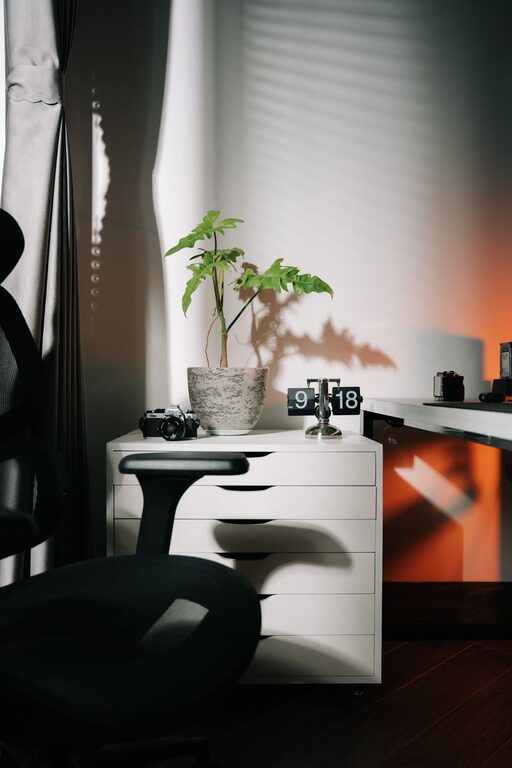
Creating a relaxing home office environment is essential for maintaining focus, reducing stress, and fostering productivity, especially as many people continue to work remotely. A well-designed workspace can improve your mood and concentration, helping you separate work life from home life. Here are some helpful tips to transform your home office into a tranquil, efficient area.
Choose the Right Location
Your first step is selecting a suitable spot for your home office. Ideally, this should be a quiet part of your home where interruptions are minimal. If possible, pick a room with a door to help signal when you’re working and when you’re not.
Avoid working in places associated with relaxation, such as your bedroom or living room sofa, to keep clear boundaries between work and rest.
Prioritise Natural Light
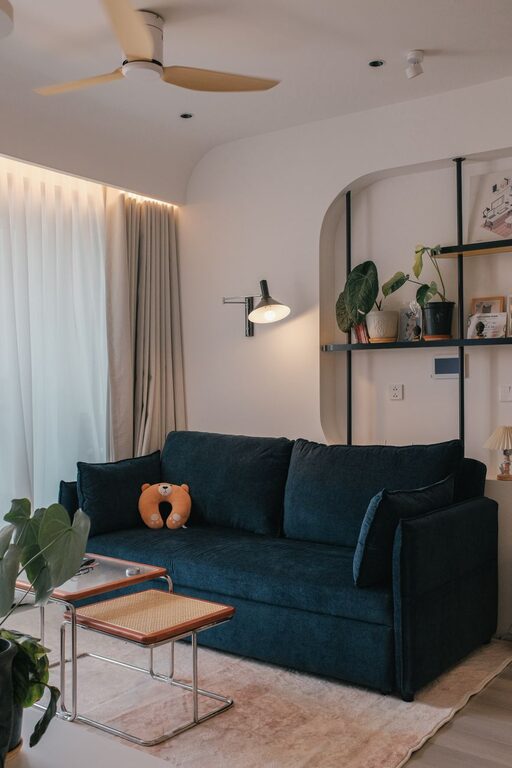
Natural light positively influences mood and alertness. Position your desk near a window to take advantage of daylight. If privacy or glare is a concern, opt for light-filtering blinds or sheer curtains.
If natural light is limited, invest in daylight-spectrum lamps. These mimic natural light and can help reduce eye strain and fatigue.
Use Comfortable and Ergonomic Furniture
Comfort is crucial to creating a relaxing workspace. Choose an ergonomic chair that supports your lower back and allows you to sit with feet flat on the floor.
Your desk should be at a height where your forearms are parallel to the floor when typing. Consider a sit-stand desk to alternate between sitting and standing, promoting better circulation.
Keep Clutter to a Minimum
A tidy environment encourages a calm mindset. Use storage solutions like shelves, drawers, and baskets to organise documents and supplies.
Try to clear your desk surface at the end of each day to maintain a fresh start each morning. Minimal clutter reduces distractions and helps you focus better.
Incorporate Soothing Colours
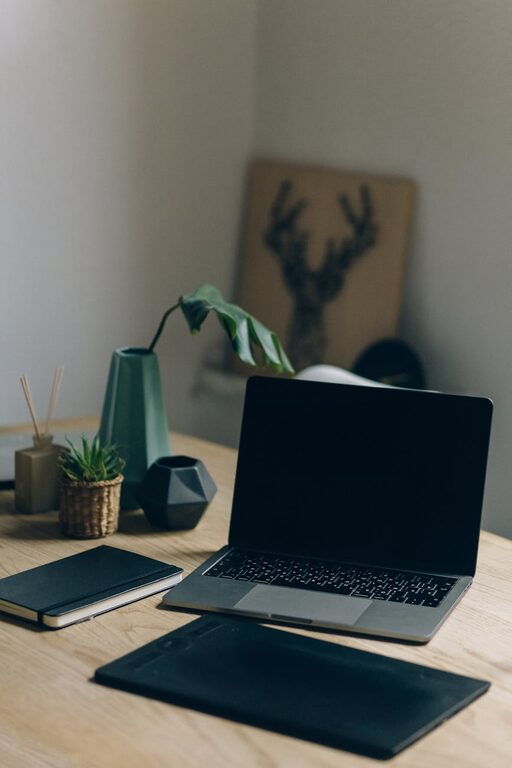
Colours can influence your mood and productivity. Soft, muted tones such as blues, greens, or neutrals are known for their calming effects.
Avoid overly bright or harsh colours which can increase stress levels. Consider painting one wall in a soothing shade or adding calming artworks.
Add Greenery
Plants are an excellent way to enhance your workspace visually and improve air quality. Choose low-maintenance plants like snake plants, pothos, or succulents.
Having greenery nearby has been shown to reduce stress and increase concentration. Plus, they add a refreshing touch of nature indoors.
Control Noise Levels
Noise can be a significant distraction. Use thick curtains, rugs, and upholstered furniture to absorb sound.
Noise-cancelling headphones are useful if you cannot control the ambient noise. Alternatively, playing soft background music or white noise can create a peaceful atmosphere.
Personalise Your Space
Make your office feel welcoming by adding personal touches like photos, inspirational quotes, or small keepsakes.
Be mindful not to overdo it; too many items can cause clutter and visual noise. The aim is to create a space that feels uniquely yours yet remains conducive to work.
Optimise Lighting for Work Hours
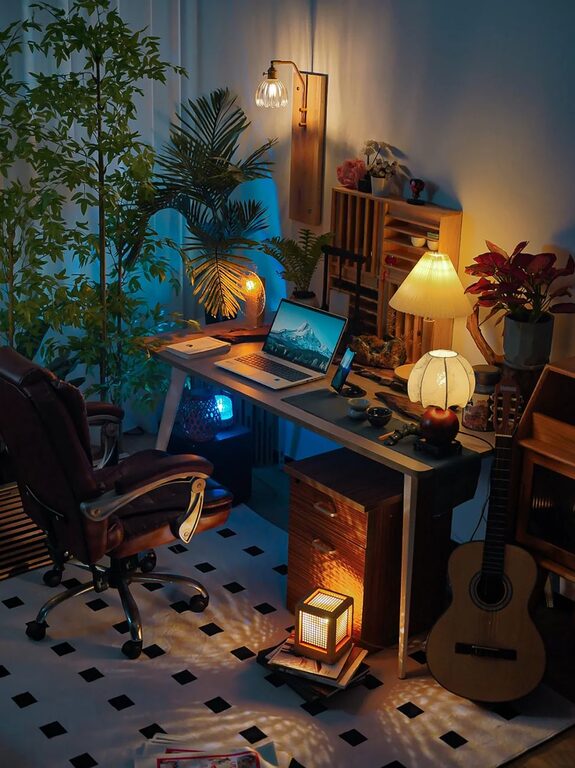
In addition to natural light, ensure your workspace has appropriate artificial lighting. Use adjustable desk lamps with warm light tones to reduce eye strain, especially during darker hours.
Avoid harsh overhead lighting or direct glare on screens. A combination of ambient and task lighting creates a balanced environment.
Set Up a Relaxation Corner
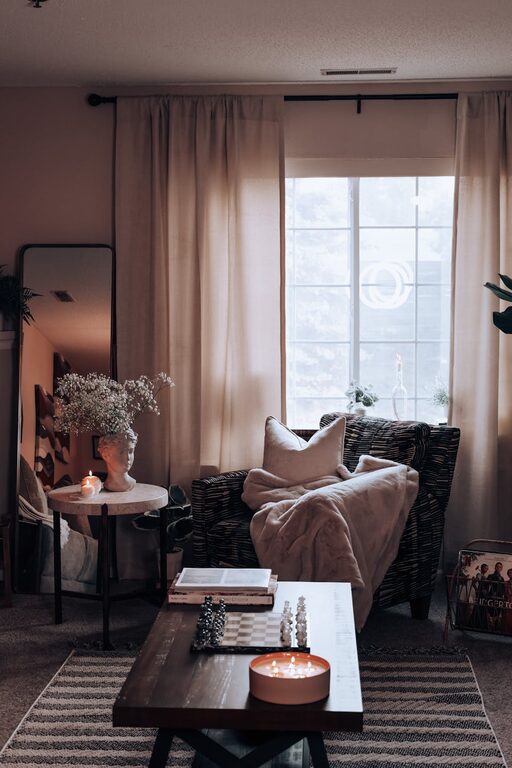
If space allows, designate a small area for short breaks. A comfortable chair or cushion can encourage you to step away from your desk, stretch, or practice mindfulness.
Regular breaks away from the screen contribute greatly to maintaining a relaxed and focused mind.
Maintain Good Air Quality
Fresh air promotes alertness and comfort. Open windows when possible or use air purifiers to improve the air quality in your home office.
Avoid placing your desk near strong odours or allergens that could affect your concentration.
Establish a Routine
Creating a work routine helps your brain associate your office environment with productivity. Set regular working hours, dress appropriately, and take scheduled breaks.
When work finishes, shut down your computer and tidy your workspace to signal the end of the day.
—
By applying these tips, you can create a home office that not only supports your productivity but also provides a calming atmosphere free from stress. A well-thought-out workspace helps balance professionalism with the comfort of home, ultimately making your workdays more enjoyable.
About the Author