Indoor plants bring life, colour, and a breath of fresh air into any home. Whether you have a few favourites or a flourishing collection, maintaining healthy plants throughout the year requires some attention to their specific needs. Changes in season, light levels, humidity, and temperature all affect your plants. Here are some practical tips to keep your indoor garden thriving all year round.
Understanding Your Plant’s Needs
Each type of houseplant has unique requirements. Before anything else, identify what kinds of plants you have and research their natural environments. Are they tropical, desert, or temperate plants? Knowing this helps in providing the right soil, light, water, and humidity conditions.
Common Houseplant Types:
– Tropical plants: Ferns, philodendrons, and monsteras love warmth and humidity.
– Succulents and cacti: Prefer bright light and infrequent watering.
– Foliage plants: Such as pothos and spider plants, generally adaptable but thrive with moderate care.
Light is Key
Plants need light for photosynthesis, but not all plants require the same amount or intensity.
– Assess natural light: Understand which rooms receive direct, indirect, or low light.
– Rotate regularly: Turn your plants every week or so to ensure even growth.
– Supplement with grow lights: During darker months or in rooms with little natural light, consider using LED grow lights.
Watering Wisely
One of the most common issues with indoor plants is over- or under-watering.
– Check soil moisture: Use your finger or a moisture meter to test before watering.
– Water thoroughly but infrequently: Allow water to drain well; empty saucers to prevent root rot.
– Adjust seasonally: Plants usually need less water in winter when growth slows.
Humidity and Temperature
Indoor air can become dry, especially in heated homes during winter.
– Increase humidity: Use a humidifier, place plants on trays of pebbles and water, or group plants together.
– Avoid temperature extremes: Keep plants away from drafts, heaters, or cold windowsills.
– Maintain consistent temperatures: Most houseplants prefer between 15°C and 24°C.
Feeding Your Plants
Plants need nutrients, especially if potted in the same soil for a while.
– Use balanced fertilisers: Choose one appropriate for indoor plants.
– Feed during growing seasons: Typically spring and summer; reduce feeding in autumn and winter.
– Follow instructions to avoid over-fertilising, which can harm plants.
Pruning and Cleaning
Keeping plants tidy encourages healthy growth and reduces pest issues.
– Trim dead or yellowing leaves: Prevents disease and improves appearance.
– Pinch back leggy growth: Promotes bushier, fuller plants.
– Clean leaves regularly: Dust can block light; use a damp cloth or gentle shower.
Repotting When Needed
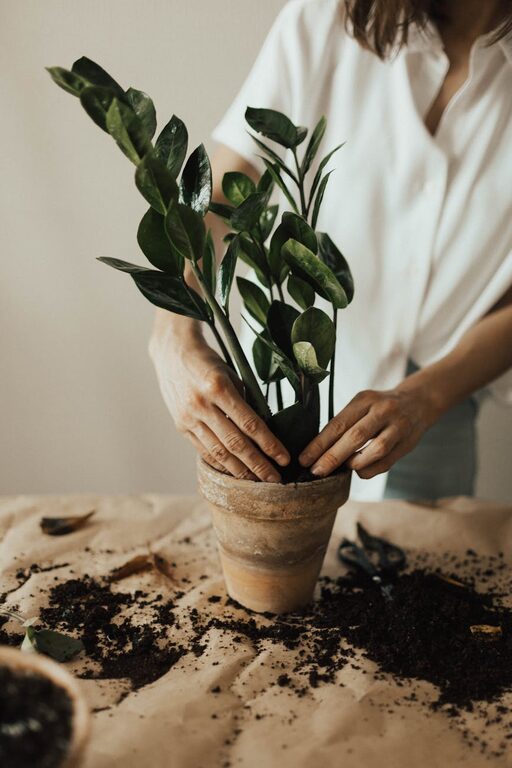
Plants grow and will eventually need more space or fresh soil.
– Check roots: If roots grow through drainage holes or soil dries out quickly, it may be time to repot.
– Repot in spring: The start of the growing season is ideal.
– Use appropriate pot size: One slightly larger than the current pot is best.
Pest Prevention and Control
Indoor plants can attract pests which harm their health.
– Inspect plants regularly: Look under leaves and at soil surface.
– Isolate new plants: Leave new additions separate for a couple of weeks.
– Use natural remedies: Neem oil or insecticidal soap can be effective and gentle.
– Maintain plant health: Healthy plants resist pests better.
Seasonal Adjustments
Your care routine will change as seasons progress.
– Winter:
– Reduce watering and feeding.
– Increase humidity and keep plants away from cold drafts.
– Spring:
– Resume regular watering and feeding.
– Repot and prune as needed.
– Increase light exposure.
– Summer:
– Water more frequently during hotter weather.
– Keep plants out of intense, direct midday sun if they prefer indirect light.
– Autumn:
– Cut back on feeding and watering gradually.
– Prepare plants for slower winter growth.
Creating a Plant Care Schedule
Consistency helps your plants and reduces guesswork.
– Use a calendar or app to remind you when to water, feed, prune, or repot.
– Make notes on your plant’s response to adjustments.
– Monitor for signs of stress or disease frequently.
—
Maintaining a healthy indoor plant collection is a rewarding endeavour that improves your living space and your wellbeing. By understanding your plants’ needs and adjusting care throughout the year, you will enjoy lush, vibrant greenery no matter the season. Happy gardening!
About the Author