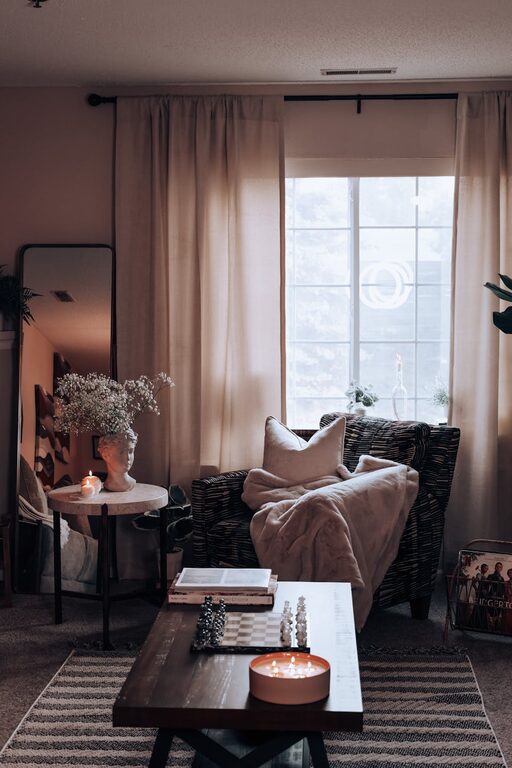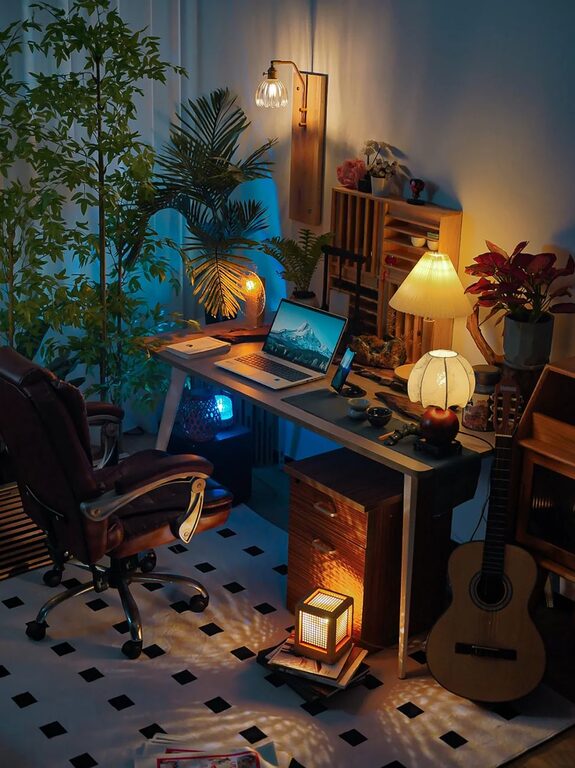
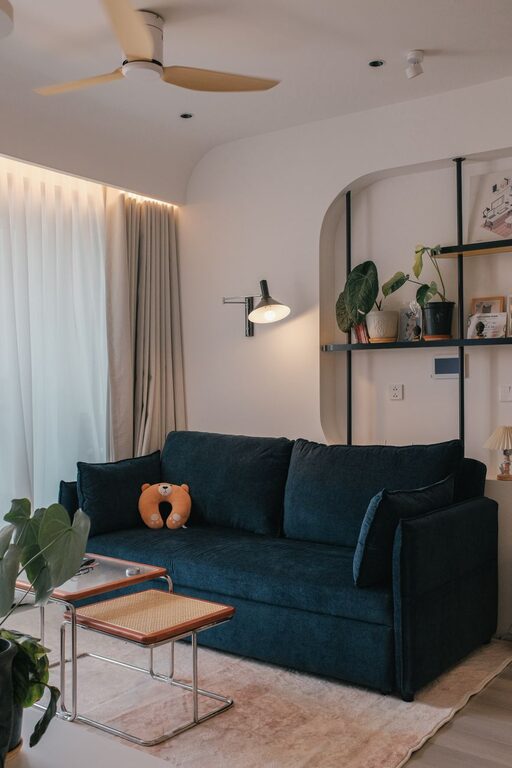
Creating a cosy and inviting living room is a wonderful way to make your home feel warm and welcoming. Whether you want a space to relax with family or entertain guests, a cosy living room encourages comfort and connection. Here are practical tips to help you design a living room that invites you to unwind and enjoy.
1. Choose Warm Colours and Soft Textures
The colour scheme sets the tone of your living room. Warm hues such as soft beige, muted terracotta, warm grey, and gentle browns create a soothing backdrop. You could also add accents of soft pastels or rich jewel tones for depth.
Textures play an important role in cosiness. Incorporate soft fabrics like wool, velvet, or linen for cushions, throws, and upholstery. Layering textures adds interest and comfort, inviting you to relax.
Tips:
– Select cushions and blankets in tactile fabrics to drape over sofas and chairs.
– Use natural materials such as wood and rattan for furniture or decorative elements to add warmth.
– Avoid harsh, cold surfaces; opt for finishes with a matte or natural look.
2. Optimise Lighting for Atmosphere
Lighting can dramatically influence the feel of a living room. Avoid relying solely on harsh overhead lights.
Instead, use a combination of lighting sources:
– Ambient lighting: Soft ceiling lights or wall sconces with warm bulbs.
– Task lighting: Reading lamps placed near armchairs or sofas.
– Accent lighting: Candles, fairy lights, or small table lamps can add a gentle glow.
Dimmer switches are useful if you want to adjust the mood throughout the day.
Tips:
– Position lights to create pools of warm light rather than bright uniform illumination.
– Choose warm white bulbs to enhance cosiness.
– Consider candles or battery-operated LED candles for safe, flickering light.
3. Include Comfortable and Inviting Furniture
Furniture in your living room should prioritise comfort without sacrificing style.
– Seating: Choose sofas and armchairs with soft cushions and ample seating space. Consider a mix of sizes to suit different activities, from lounging to chatting.
– Arrangement: Arrange seating to encourage conversation and interaction. An L-shaped or circular layout works well.
– Footrests and poufs: These add to the comfort and create relaxed spots for reclining.
Tips:
– Add slipcovers or washable fabric options for ease of maintenance.
– Introduce a cosy armchair or bean bag for extra informal seating.
4. Use Rugs to Define and Warm the Space
A well-chosen rug can anchor a living area and add comfort underfoot.
– Select rugs that complement your colour scheme and add texture.
– Position rugs under key furniture pieces, like sofas or coffee tables, to define the seating area.
– Rugs can also help to absorb sound, reducing echo and making the room feel calmer.
Tips:
– Layer smaller rugs for added texture and visual interest.
– Choose wool or natural fibre rugs for softness and durability.
5. Add Personal and Natural Touches
Personalising your living room makes it feel truly inviting.
– Artwork and photos: Display meaningful pieces that reflect your style and memories.
– Plants: Adding greenery brings life and freshness to the room. Choose low-maintenance indoor plants that thrive in your lighting conditions.
– Books and objects: Shelves with favourite books or meaningful objects create a welcoming atmosphere.
Tips:
– Use baskets and decorative boxes to keep clutter organised and visually appealing.
– Incorporate natural elements such as wooden bowls, stone vases, or woven baskets.
6. Keep the Space Tidy and Inviting
A cluttered room can feel stressful rather than cosy. Organisation is key.
– Provide storage solutions like cabinets, shelves, and baskets to keep items out of sight.
– Regularly declutter to maintain a peaceful environment.
– Keep coffee tables clear and only use a few decorative items.
Tips:
– Use furniture with built-in storage to maximise space.
– Establish routines to tidy up daily for lasting comfort.
7. Incorporate Soft Sounds and Scents
Engage your senses beyond sight and touch to create a truly inviting space.
– Sound: Light instrumental music or nature sounds can add to relaxation.
– Scents: Use gentle fragrances from candles, diffusers, or fresh flowers.
Tips:
– Choose scents like lavender, vanilla, or sandalwood for a calming effect.
– Avoid overpowering fragrances to keep the atmosphere comfortable for everyone.
—
By focusing on colour, light, texture, furniture, and personal touches, you can create a living room that feels warm and welcoming any time of year. Take your time selecting elements that resonate with you to build a space where you enjoy spending time. A cosy living room isn’t just about looks — it’s about creating comfort, connection, and calm in your home.
About the Author