
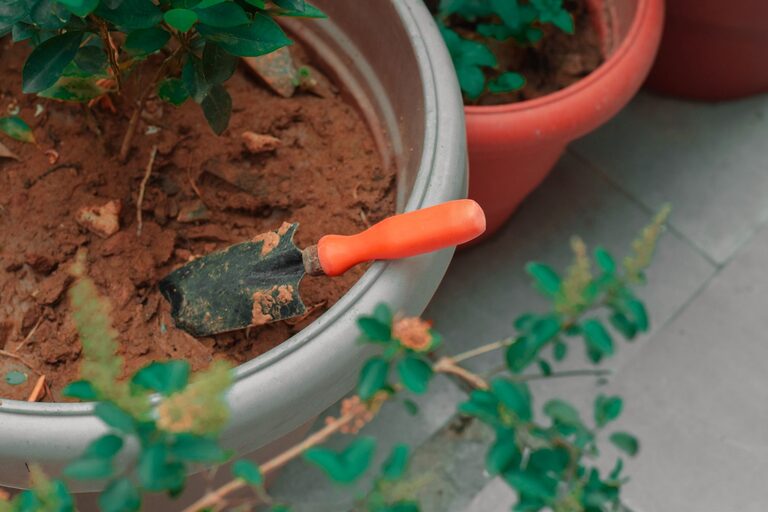
Creating a garden that is both sustainable and stylish throughout the seasons is a rewarding way to enjoy your outdoor space. Whether you have a large backyard or a small balcony, a carefully planned garden can bring beauty and environmental benefits year-round. In this guide, we’ll explore practical tips to help you design and maintain a garden that is eco-friendly and visually appealing no matter the time of year.
Understanding Sustainability in the Garden
Sustainable gardening involves using practices that protect the environment, conserve resources, and enhance biodiversity. This approach not only benefits the planet but also leads to a healthier and easier-to-manage garden.
Key sustainable principles include:
– Choosing native plants: They adapt well to local conditions and support local wildlife.
– Reducing water usage: Collect rainwater and use efficient watering methods.
– Avoiding chemicals: Embrace organic fertilisers and natural pest control.
– Composting: Turn garden waste into rich soil amendments.
Designing a Stylish Seasonal Garden
A garden can be sustainable without compromising style. Thoughtful design and plant selection help create a space that changes gracefully with the seasons.
1. Plan with Layers and Structure
Incorporate shrubs, perennials, and climbers to add texture and height interest. Evergreens provide structure during winter months, while flowering plants add colour in spring and summer.
2. Choose a Colour Palette
Select colours that complement your home exterior and suit your personal taste. Consider how blooms and foliage change throughout the year to maintain visual interest.
3. Use Garden Features Wisely
Materials like reclaimed wood, stone, or recycled metal can be both fashionable and eco-conscious. Features such as benches, trellises, and birdbaths enrich the garden’s appeal and encourage wildlife visits.
Seasonal Tips for a Thriving Sustainable Garden
Spring: Prepare and Plant
– Soil care: Refresh soil with homemade compost and mulch to enrich nutrients and retain moisture.
– Planting: Choose bulbs, perennials, and native wildflowers to support pollinators.
– Watering: Set up rainwater collection systems to reduce mains water usage.
Summer: Maintain and Enjoy
– Mulching: Apply mulch to suppress weeds and keep soil cool.
– Water wisely: Water in the early morning or late evening to minimise evaporation.
– Pest control: Introduce companion planting (e.g., marigolds with tomatoes) to naturally deter pests.
Autumn: Prepare for Winter
– Plant bulbs: For spring blooms, plant bulbs such as daffodils and crocuses.
– Leaf management: Compost fallen leaves rather than disposing of them.
– Tool care: Clean and store tools properly to ensure they last.
Winter: Protect and Plan
– Protect plants: Use fleece coverings or cold frames to shield sensitive plants from frost.
– Plan ahead: Start sketching designs and ordering seeds for next year’s garden.
– Wildlife support: Provide food and water for local birds.
Additional Tips for Sustainable Garden Care
Encourage Biodiversity
Include a variety of plants that flower at different times to support insects and birds. Incorporate a small pond or water feature to attract amphibians.
Save Seeds
Harvest seeds from your healthiest plants to grow year after year. This reduces waste and helps preserve plant varieties suited to your garden’s conditions.
Reuse and Recycle
Repurpose old containers as plant pots and use natural materials like twine instead of plastic ties.
Create a Compost Area
Composting reduces greenhouse gases in landfill and returns vital nutrients to your garden soil.
Conclusion
A sustainable and stylish home garden is achievable for gardeners of all levels. By embracing eco-friendly practices and seasonal planning, you can create a green space that looks good and does good for the environment. Take your time, enjoy the process, and watch your garden flourish all year long. Happy gardening!
About the Author