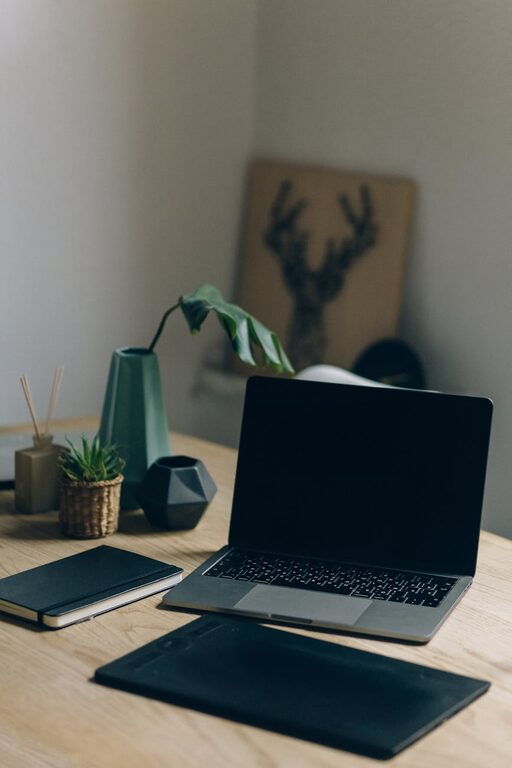
Creating a home office that feels both calming and productive can greatly improve your work experience. Whether you’re working from home full-time or need a dedicated space for occasional tasks, a well-designed environment helps you stay focused without feeling overwhelmed. Here, we explore key strategies to transform your workspace into a sanctuary of calm and concentration.
Choose the Right Location
Selecting the ideal spot for your home office is the first step. Ideally, choose a quiet area away from high-traffic zones and distractions. A room with a door can provide privacy and help contain work-related noise. If space is limited, a corner of a room with good natural light can be just as effective.
Consider Light and Ventilation
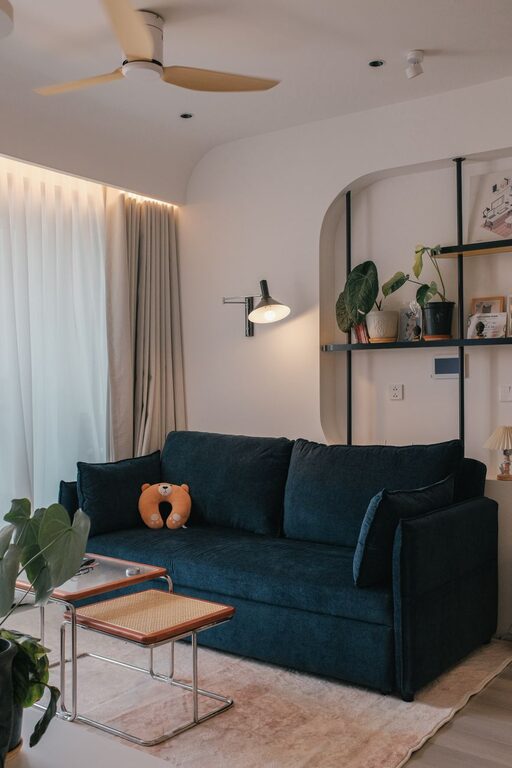
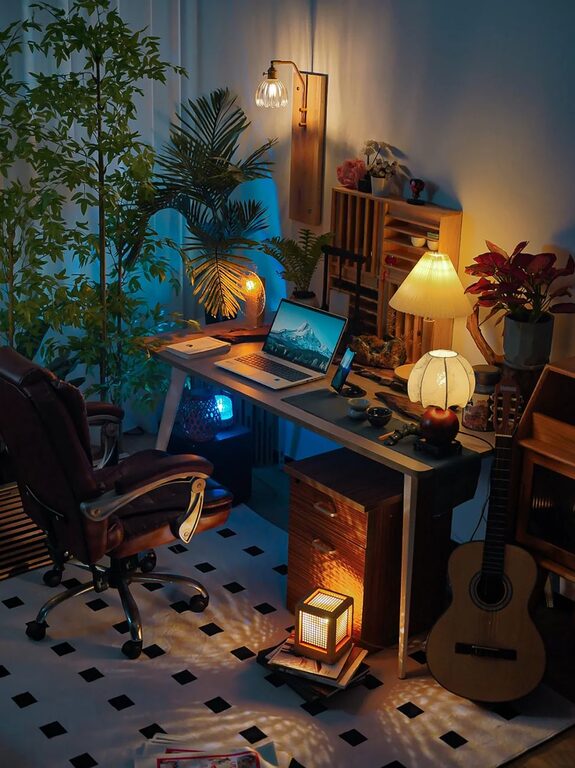
Natural light has a positive impact on mood and alertness, so place your desk near a window if possible. Good ventilation is also important to keep the air fresh and prevent stuffiness during long working hours. If natural light is limited, invest in adjustable lighting that mimics daylight to maintain alertness.
Invest in Comfortable and Ergonomic Furniture
Comfort plays a major role in both productivity and wellbeing. Choose an ergonomic chair with adjustable height and lumbar support to protect your posture. Your desk should allow you to work without hunching or straining your arms and shoulders.
Desk Setup Tips
– Keep your computer screen at eye level to avoid neck strain.
– Use a keyboard and mouse that suit your hand size and reduce wrist tension.
– Arrange frequently used items within arm’s reach to limit distractions.
Organise and Declutter Your Space
A tidy office promotes calmness and helps reduce cognitive overload. Use storage solutions such as shelves, drawers, and organisers to keep paperwork and supplies out of sight when not needed.
Daily Declutter Routine
Spend five minutes at the end of each day to clear your desk and organise your materials. This small habit can make mornings less stressful and set a positive tone for your workday.
Incorporate Calming Colours and Decor
Colour psychology suggests certain shades can influence mood. Soft blues, greens, and neutrals are known to induce calmness and focus. Avoid overly bright or distracting wall colours.
Personal Touches That Inspire
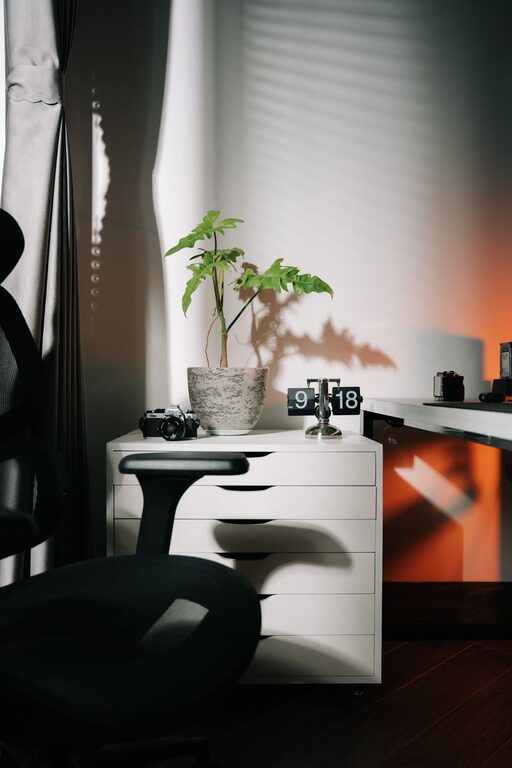
Add elements that make you feel relaxed yet motivated. This might include plants, artwork, or meaningful objects. Plants, in particular, improve air quality and add a refreshing natural vibe.
Minimise Noise Distractions
Noise can interfere with concentration and increase stress. Use noise-cancelling headphones, white noise machines, or soft background music to create a soothing acoustic environment.
Soundproofing Tips
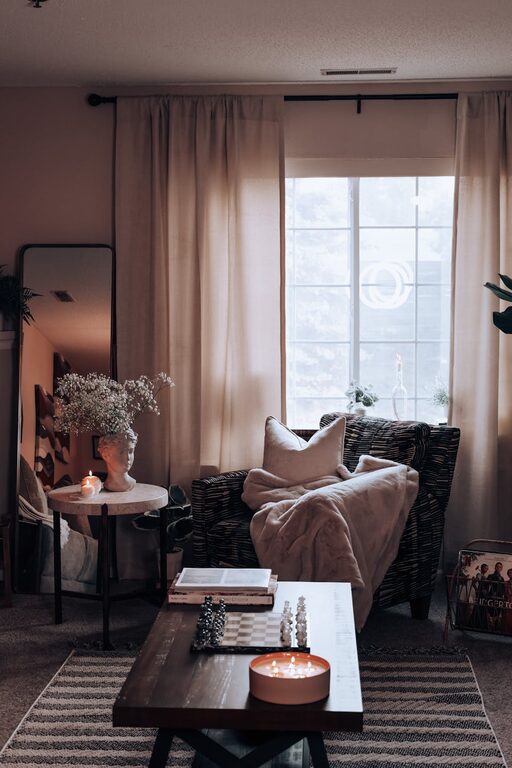
– Hang thick curtains or rugs to absorb sound.
– Use door seals or weatherstripping to reduce noise from adjoining rooms.
Set Clear Boundaries and Routines
A calm office environment also depends on your habits. Define your working hours and try to stick to them to create a sense of balance.
Break Regularly
Taking short, regular breaks helps maintain focus and prevents burnout. Stand up, stretch, or take a brief walk to refresh your mind.
Optimise Technology and Tools
Reliable equipment reduces frustration and interruptions, supporting a smooth workflow.
Tips for Tech Efficiency
– Keep cables organised to avoid clutter.
– Use productivity apps and timers to manage tasks.
– Ensure a stable internet connection for online work.
Maintain Good Air Quality and Temperature
A comfortable temperature—typically around 20°C to 22°C—and good air quality can boost concentration.
Simple Ways to Improve Air Quality
– Open windows regularly for fresh air.
– Use air purifiers if needed.
– Avoid heavy scents or air fresheners that might cause discomfort.
Final Thoughts
A home office that balances calm and productivity doesn’t need to be expensive or complicated. By carefully choosing your location, investing in comfort, keeping your space organised, and adopting mindful routines, you can create an environment where work feels less like a chore and more like an enjoyable, efficient activity. Small changes can lead to significant improvements in your wellbeing and output.
Take the time to personalise your workspace so it truly supports your needs, and you’ll likely find your workdays becoming more relaxed and productive.
About the Author