Indoor plants have become increasingly popular in homes around the world, and it’s easy to see why. Not only do they add a touch of natural beauty to any room, but they also offer a range of benefits for your health and environment. Whether you’re new to plant care or an experienced green thumb, understanding the advantages of indoor plants and how to care for them can help you create a vibrant and healthy living space. In this post, we explore the key benefits of having indoor plants and provide practical tips to keep your plants flourishing at home.
The Benefits of Indoor Plants
1. Improve Air Quality
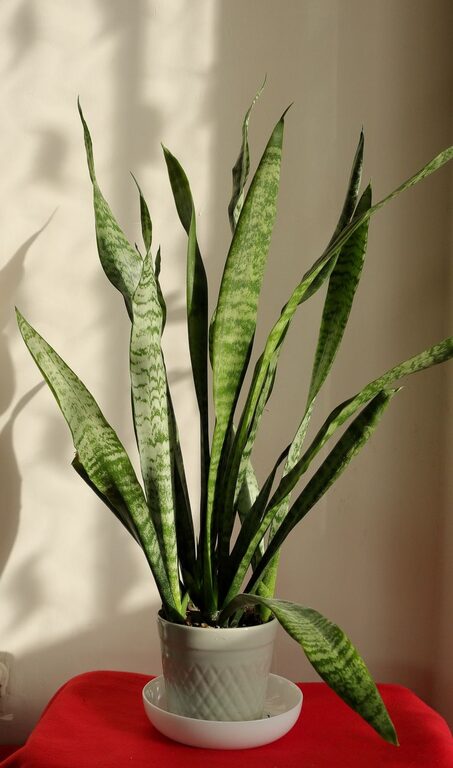
One of the most well-known benefits of indoor plants is their ability to improve air quality. Plants absorb carbon dioxide and release oxygen through photosynthesis, helping to refresh indoor air. Certain plants, such as spider plants and snake plants, can also filter harmful toxins from the air, including formaldehyde and benzene, which are commonly found in household products.
2. Boost Mood and Reduce Stress
Studies have shown that being around plants can reduce stress and enhance mood. The presence of greenery can create a calming atmosphere and improve overall well-being. Caring for plants also offers a sense of accomplishment and can be a mindful, therapeutic activity, especially during busy or stressful periods.
3. Increase Humidity
Indoor plants release moisture into the air through a process called transpiration. This is particularly beneficial in dry indoor environments or during colder months when heating systems can dry out the air. Increased humidity can help prevent dry skin, irritated respiratory passages, and static electricity.
4. Enhance Interior Decor
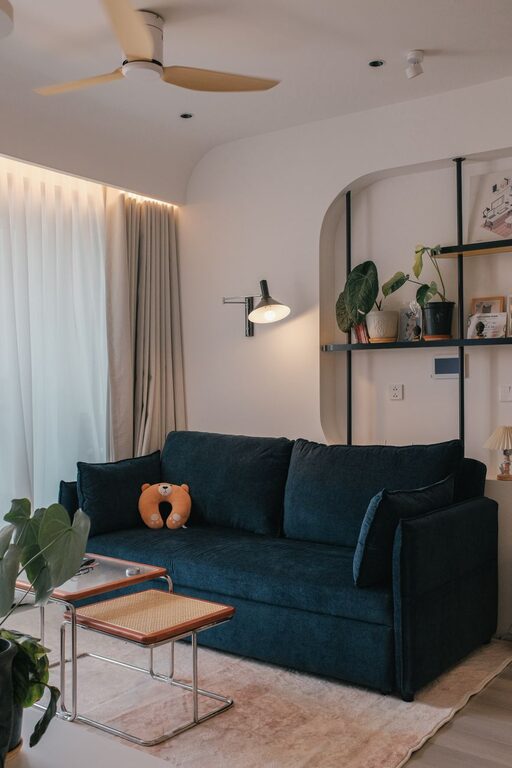
Plants naturally beautify any space and bring a fresh, lively element to interiors. They come in a variety of shapes, sizes, and colours, allowing you to select species that complement your style. From small succulents for desks to large leafy plants for corners, there’s something for every home and taste.
5. Improve Focus and Productivity
Having plants in your home workspace or study area can enhance concentration and productivity. The presence of plants has been linked to increased attention and cognitive function, making them a smart addition to any home office.
Tips for Caring for Indoor Plants
Creating a thriving indoor garden is easier than you might think with a few simple care guidelines.
1. Choose the Right Plant for Your Environment
Different plants have different light, temperature, and humidity requirements. Some plants thrive in bright, indirect light, like fiddle leaf figs and pothos, while others, such as snake plants and ZZ plants, tolerate low light. Assess the lighting conditions in your home before selecting plants.
2. Water Appropriately
Over-watering is a common mistake that can lead to root rot and plant death. Check the soil moisture before watering—most plants prefer the top inch of soil to dry out between waterings. Succulents and cacti need much less frequent watering compared to tropical plants.
3. Provide Proper Drainage
Ensure pots have drainage holes to prevent water from pooling at the bottom. Standing water can suffocate roots and cause fungal issues. If you use decorative pots without holes, consider placing the plant in a smaller pot with drainage inside the decorative one.
4. Use Suitable Soil
Use potting soil that suits the plant species. For example, succulents need a sandy mix that drains quickly, while ferns prefer moist, rich soil. Good soil helps with aeration and nutrient retention.
5. Fertilise Periodically
During the growing season (spring and summer), feed your plants with a balanced liquid fertiliser every few weeks. This supports healthy growth and vibrant leaves. Avoid fertilising in winter when most plants rest.
6. Control Pests
Indoor plants can occasionally attract pests such as aphids, spider mites, or mealybugs. Check your plants regularly for signs of insects or sticky residue, and treat infestations early using natural methods like wiping leaves or applying insecticidal soap.
7. Clean Leaves Regularly
Dust can accumulate on leaves and reduce their ability to photosynthesise. Gently wipe leaves with a damp cloth or give plants a light shower to keep them clean and healthy.
8. Repot When Necessary
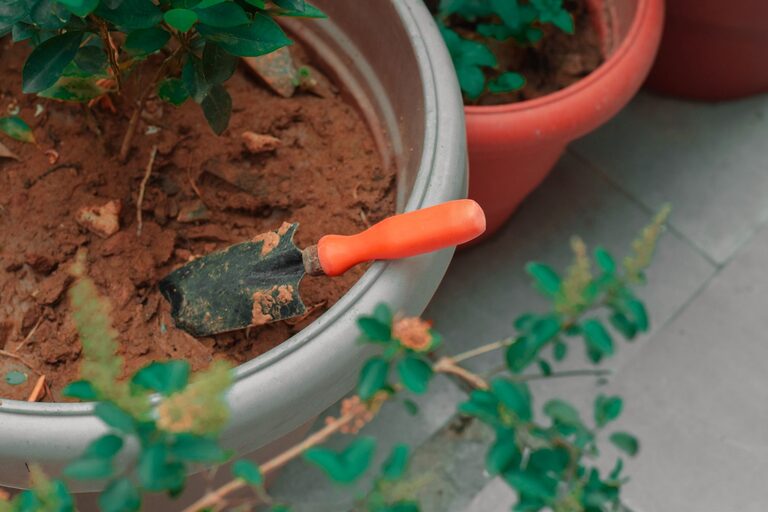
As plants grow, they may outgrow their pots. Repotting every year or two gives roots more room and replenishes soil nutrients. Choose a pot that’s just one size larger to avoid waterlogging.
Conclusion
Indoor plants are a wonderful addition to any home, offering benefits ranging from improved air quality to enhanced mood. By understanding their needs and providing simple care, you can enjoy lush, healthy greenery throughout your living space. Start small with easy-to-care-for plants, and gradually build your indoor garden at a pace that suits you. With a little attention and care, indoor plants can brighten your home and life for years to come.
About the Author